


I have dedicated years exploring online casino lobbies across Canada, and nothing influences the player experience like the game providers behind the reels, tables, and live studios loonie-goldcasino.ca. When I log into Loonie Gold Casino, the first thing I undertake is review the developer names because I understand that a strong lineup of providers delivers better graphics, fairer outcomes, and more innovative bonus features. Over time I have created a personal checklist for evaluating game studios, and I aim to share those insights so you can approach any casino lobby with confidence. Recognizing what separates a strong provider from a forgettable one enables you avoid clunky software, slow payouts on bonus rounds, and games that just don’t feel right. In this article I will detail the concrete factors I apply to rate game providers, from licensing seals and return-to-player transparency to mobile optimization and localized payment support. Every tip I offer is something I implement myself when I browse the selection here, and I have seen firsthand how these details translate into a smoother, more rewarding session.
Seek Out Studios That Master Live Dealer Experiences
Live dealer games have become the core of my online casino routine, and the distinction between a mediocre stream and an engaging experience almost always comes down to the provider behind the camera. The top live casino studios operate dedicated broadcast facilities with professional croupiers, multiple camera angles, and optical character recognition technology that instantly transforms physical card and wheel actions into digital data. When I access the live dealer section at Loonie Gold Casino, I can immediately identify which provider is running the show by the quality of the video feed, the responsiveness of the chat feature, and the fluidity of the user interface. A studio that dedicates to low-latency streaming and backup systems guarantees that I never miss a hand due to buffering, which is critical when real money is on the line.
Beyond the technical backbone, I assess live dealer providers by the selection of table limits and game variants they provide. The best studios serve to both low-stakes players who want to join a five-dollar blackjack table and high rollers seeking private VIP baccarat with elevated betting caps. I also seek innovative formats such as game-show-style titles that blend RNG elements with live hosts, because those experiences show that the provider is expanding the boundaries of what a live casino can be. When I observe a live lobby populated entirely by one or two powerhouse studios, I know the operator has prioritized quality over quantity. That focus pays off every time I sit down at a virtual table and feel as though I have been moved to a land-based casino floor, complete with real-time interaction and genuine human energy.
Examine the Scope of a Studio’s Game Library
A single hit slot isn’t enough https://www.lemonde.fr/signataires/gilles-van-kote/ to define a great studio, and I know to consider the entire scope of a provider’s portfolio before I make a judgment. The studios I revisit again and again are those that deliver a balanced mix of classic three-reel games, bonus-heavy video slots, table games with crisp graphics, and maybe also a few specialty titles like scratch cards or virtual sports. This range suggests that the studio has versatile design talent and is not merely re-skinning the same math model under different themes. When I look through the Loonie Gold Casino lobby and spot a given provider name linked to dozens of different experiences, I understand I can settle in for a extended session without ever feeling bored or pigeonholed into one style of play.
I also focus on how a provider manages progressive jackpots and connected prize pools. Some studios manage their own in-house jackpot systems that tie multiple titles together, producing life-changing sums that increase with every spin across a network of casinos. Others use well-known jackpot brands and blend them into their games with explicit rules and clear contribution rates. I lean toward providers that display the current jackpot value prominently on the screen and that release the seed amount and average win frequency, because that detail helps me figure out whether a progressive game matches my risk tolerance. A deep portfolio that contains both standalone progressives and wide-area networks shows me that the studio understands different player motivations and has invested in the framework to support them.
Seek out Providers That Deliver Canadian-Friendly Payment Integration
One element of game providers that seldom gets mentioned is how their software interacts with the casino’s cashier and payment processing. The most player-centric studios build their games to support smooth balance updates, quick bet settlements, and harmony with the payment methods that are most important to Canadians. When I play a slot from a forward-thinking provider, my balance updates wins instantly, and I rarely face a lag between a completed spin and the updated total. This may seem like a minor technical detail, but it becomes critical when I am using Interac e-Transfer to deposit or when I wish to withdraw my winnings back to a MuchBetter or iDebit account. A provider that partners with platform developers guarantees that the entire transaction flow, from deposit to gameplay to cashout, feels like one unified system rather than a patchwork of disconnected services.
I also respect studios that build their games with responsible gambling tools in mind. The best providers enable operators to include deposit limits, session timers, and reality checks directly into the game interface, so I spot gentle reminders without having to leave the action. For Canadian players who depend on Interac for its speed and security, it is comforting to know that the games themselves are coded to honor the payment flow and never generate confusion about available funds. At Loonie Gold Casino I have experienced firsthand how a well-integrated provider lineup makes managing my bankroll easy, and I advise every player to evaluate this behind-the-scenes factor when choosing which studios to entrust with their time and money.
What I Examine Regarding Withdrawal Speed and Provider Support
When I assess a game provider’s compatibility with Canadian banking, I look at how quickly wins are credited and how the studio’s back-end reporting aids the casino’s withdrawal process. Some providers produce detailed game logs that allow the operator to verify gameplay instantly, which accelerates the pending withdrawal period significantly. In my experience, casinos that feature games from these efficient studios can process e-wallet payouts within a few hours and Interac withdrawals within one to two business days. I always try a new casino by playing a few rounds from a provider known for clean transaction handling, then submitting a modest withdrawal to see how the timelines stand in practice. That real-world test reveals more than any marketing claim ever could.
Emphasize Game Providers with High Return-to-Player Rates
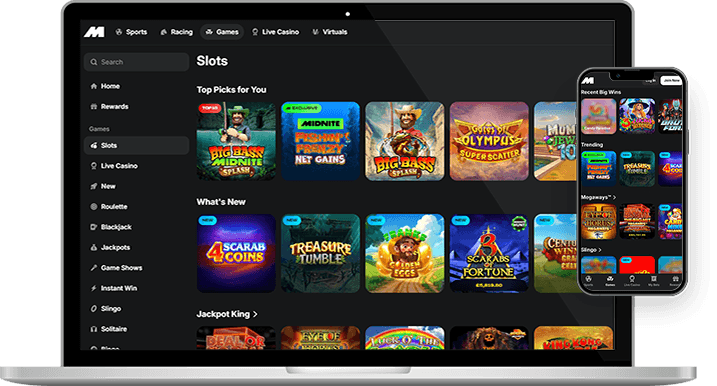
Return-to-player rate, or RTP, is the one telling statistic I use when comparing game studios. It indicates me how much of every dollar wagered is set to flow back to players over millions of rounds. While no single session will reflect the theoretical figure, I have learned that consistently playing slots from providers known for reporting RTPs above ninety-six percent offers me more playtime and a better shot at securing meaningful wins. I always verify the game rules or the provider’s official site to determine the exact RTP, because some studios provide the same title in multiple configurations and the casino may use a lower setting. At Loonie Gold Casino I routinely of sorting the lobby to show only games where the RTP is clearly listed, and I gravitate toward studios like those that regularly offer transparency on this metric.
What a lot of users fail to realize is that RTP alone does not tell the full story without grasping volatility. A high-RTP slot from a developer that specializes in low-volatility math will award regular but smaller prizes, while a likewise high-RTP game from a studio renowned for high-volatility design can produce long dry spells punctuated by massive wins. I have discovered to align a provider’s volatility profile to my own session goals. When I desire a relaxed evening with steady returns, I pick low-volatility titles from developers who thrive in that style. When I am pursuing a jackpot, I go for high-volatility specialists. The best game providers keep both the RTP and the volatility level easy to find, sometimes even offering a volatility rating right in the game lobby. That kind of clarity is a hallmark of a studio that respects its players, and it is one of the first things I show friends who are new to online casinos.
How I Cross-Check RTP Figures
I never depend on a one source when checking a game’s return percentage. My approach commences inside the game client itself, where I view the paytable or information menu and check the theoretical return. If the number is not there, I navigate to the provider’s official website, where many studios maintain a dedicated page listing the RTP ranges for each title across different operator configurations. I also verify https://paroles2chansons.lemonde.fr/paroles-katy-perry/paroles-roulette.html independent slot review sites that monitor RTP data from real-world casino installations. When all three sources align, I am confident that the number is accurate. This habit has saved me from playing versions of popular slots that had been adjusted with a lower RTP than the studio intended, and it is a measure I encourage every Canadian player to adopt before depositing.
Recognize the Role of Visuals, Audio, and Interface
The visual and auditory experience of a casino game goes beyond mere aesthetics; it directly affects how I handle information and make decisions during play. Top game developers use dedicated art teams, sound designers, and user-experience specialists who design every element to reinforce the game’s theme and maintain an intuitive interface. When I start a slot from a provider that prioritizes design, I quickly see the clarity of the symbol graphics, the smoothness of the reel movements, and the how the soundtrack changes during bonus rounds to generate excitement. A cluttered interface with tiny buttons and confusing payline indicators, however, takes me out of the game and can even result in expensive misclicks if I accidentally adjust my bet or start a feature I did not mean to use.
I also consider how effectively a developer’s games run on diverse devices. Leading providers optimize their graphics so that the game is clear on a tablet with high resolution but continues to run smoothly on an outdated laptop without straining the processor. I have tried slots where the dramatic opening sequences were breathtaking but the actual gameplay lagged because the code was not properly streamlined, and those slots rarely stick in my playlist. Sound quality is crucial equally; I search for games that enable me to manage the volume of audio elements individually, and I like studios that feature a background mode for when I prefer to game while hearing a podcast. These aspects may appear minor, but they create a seamless experience that maintains my focus spin after spin.

Learn How Bonus Mechanics Differ by Game Studio
Bonus features are where a game provider’s creativity truly shines, and I have come to recognize distinct design philosophies across different studios. Some developers are famous for their hold-and-spin mechanics, where special symbols lock in place and award respins until the grid fills or the feature ends. Others excel at cascading reels that remove winning combinations and drop new symbols into place, creating chain reactions that can multiply a single spin into a string of payouts. I have found that understanding these signature mechanics helps me pick games that match my mood and strategy. When I want fast-paced action with frequent bonus triggers, I lean toward providers known for low-trigger-threshold free spins. When I am in the mood for a grind toward a massive payout, I choose studios whose bonus rounds are scarce but potentially explosive.
What many players do not recognize is that the same bonus mechanic can feel completely different depending on the provider’s math model and presentation. A free-spins round from one studio might include expanding wilds and multipliers that stack aggressively, while a similar-looking feature from another developer might offer only a flat multiplier and no retrigger possibility. I always read the game rules before I enter a bonus round so I understand exactly what is possible, and I have learned appreciate the studios that include a feature-buy option for players who want to jump straight into the action. At Loonie Gold Casino I often test a provider’s bonus style by playing a few demo rounds first, which lets me experience the rhythm of the features without risking my bankroll. That small investment of time yields rewards enormously when I later play for real money.
Demand Smooth Mobile Compatibility from Each Provider
I conduct almost all of my gaming on a mobile phone, so a provider that treats mobile as an secondary concern loses my interest right away. The studios I trust build their games in HTML5 from the ground up, which means the identical title adapts flawlessly to any screen size without needing a separate app download. When I open a slot on my iPhone or Android device at Loonie Gold Casino, I anticipate the buttons to be large enough to tap accurately, the reels to spin without lagging, and the landscape orientation to employ every pixel effectively. Providers that continue to rely on legacy Flash technology or that offer stripped-down mobile versions with missing features simply do not meet my standards in my book, because the modern Canadian player merits a full-fat experience on every device.
I also give close attention to how a provider deals with touch gestures and battery consumption. A well-optimized mobile game will allow me to swipe through paytables, pinch to zoom on bonus screens, and adjust my bet with a smooth slider rather than clunky plus and minus buttons. The best studios test their titles across a wide range of devices, from older mid-range phones to the latest flagships, and they streamline the code so that a one-hour session does not exhaust my battery or overheat my handset. I have recognized that providers who release frequent updates tend to preserve better mobile performance over time, because they resolve bugs and refine the interface based on player feedback. When I scan the game lobby, I consistently look for the “mobile-first” studios whose titles play just as good on a small screen as they do on a desktop monitor.
Know the Importance of Certification and Equity Certifications
Whenever I come across a novel game studio, my very first move is to check that its titles are underpinned by independent fairness testing. The most respected providers submit their random number generators to laboratories like eCOGRA, iTech Labs, or Gaming Laboratories International. These organizations perform millions of virtual spins and hand outcomes to validate that results are authentically random and that the stated return-to-player percentages stand over time. I seek certification seals on the provider’s own website or within the game’s help menu, because a studio that is assured of its fairness will make that information straightforward to find. Lacking such verification, there is no means to know whether the math model has been audited or whether the game simply trusts the casino’s word. At Loonie Gold Casino, I have noticed that the most notable games come from developers who clearly display their testing credentials, which offers me peace of mind ahead of I place a single wager.
Beyond the game-level certifications, I also focus on the jurisdiction that regulates the casino itself and the providers it collaborates with. In Canada, many players find reassurance with operators supervised by the Kahnawake Gaming Commission or the Malta Gaming Authority, both of which impose strict technical standards on the software they approve. A provider that consistently passes audits in these jurisdictions has demonstrated a commitment to compliance that goes beyond marketing. I have discovered that when a studio’s games are certified in multiple regulated markets, the quality control is typically higher as the math models must survive scrutiny from different regulators concurrently. This multi-tiered oversight lessens the chance of encountering games with obscure payout structures or concealed volatility adjustments. For me, that transparency is non-negotiable, and I always recommend that players devote five minutes to research a provider’s testing history before committing their bankroll.
Try Free Play and Demo Modes to Test Provider Quality
The single most practical tip I can offer is to treat demo mode as a research tool rather than a throwaway feature. Almost every reputable game provider allows casinos to offer a free-play version of their titles, and I use that opportunity to run a thorough evaluation before I commit real money. During a demo session I test how quickly the game loads, whether the autoplay settings are flexible, and how transparent the paytable is about symbol values and feature rules. I also simulate a range of bet sizes to see how the math model behaves under different stake levels, because some games feel dramatically different when you move from minimum to maximum bet. At Loonie Gold Casino I regularly spend fifteen to twenty minutes in demo mode with any new provider I am curious about, and that habit has saved me from countless disappointing deposits.
Apart from the technical checks, demo play lets me assess the entertainment value of a provider’s catalogue without financial pressure. I pay attention to how often bonus features trigger, whether the base game holds my interest between those features, and if the overall pacing matches what I want from a session. Some studios design games that are visually spectacular but rely too heavily on rare bonus rounds to deliver excitement, leaving the base game feeling flat. Others keep the action engaging even during long stretches without a feature, thanks to frequent small wins and dynamic animations. By the time I switch to real-money mode, I already have a clear picture of what to expect, and I can make an informed choice about which provider’s games deserve a spot in my regular rotation.


